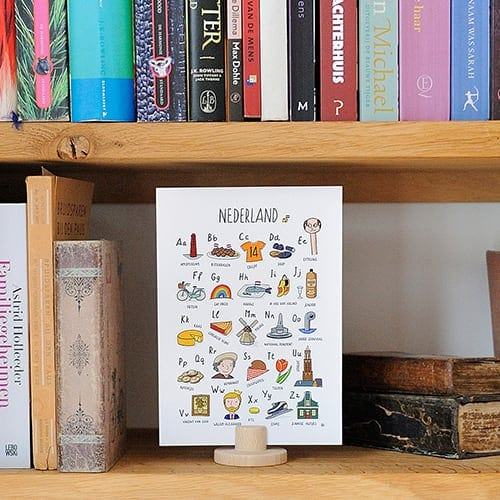
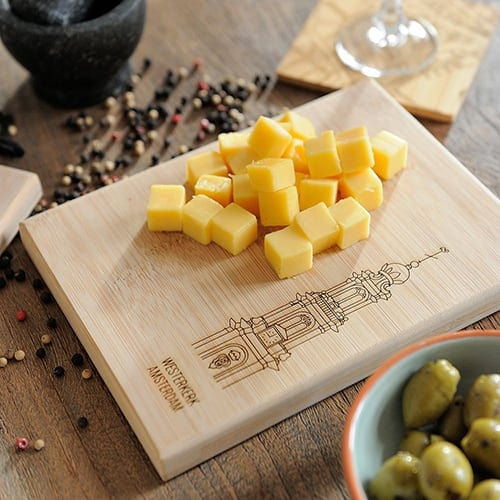
Platter De Waag Alkmaar
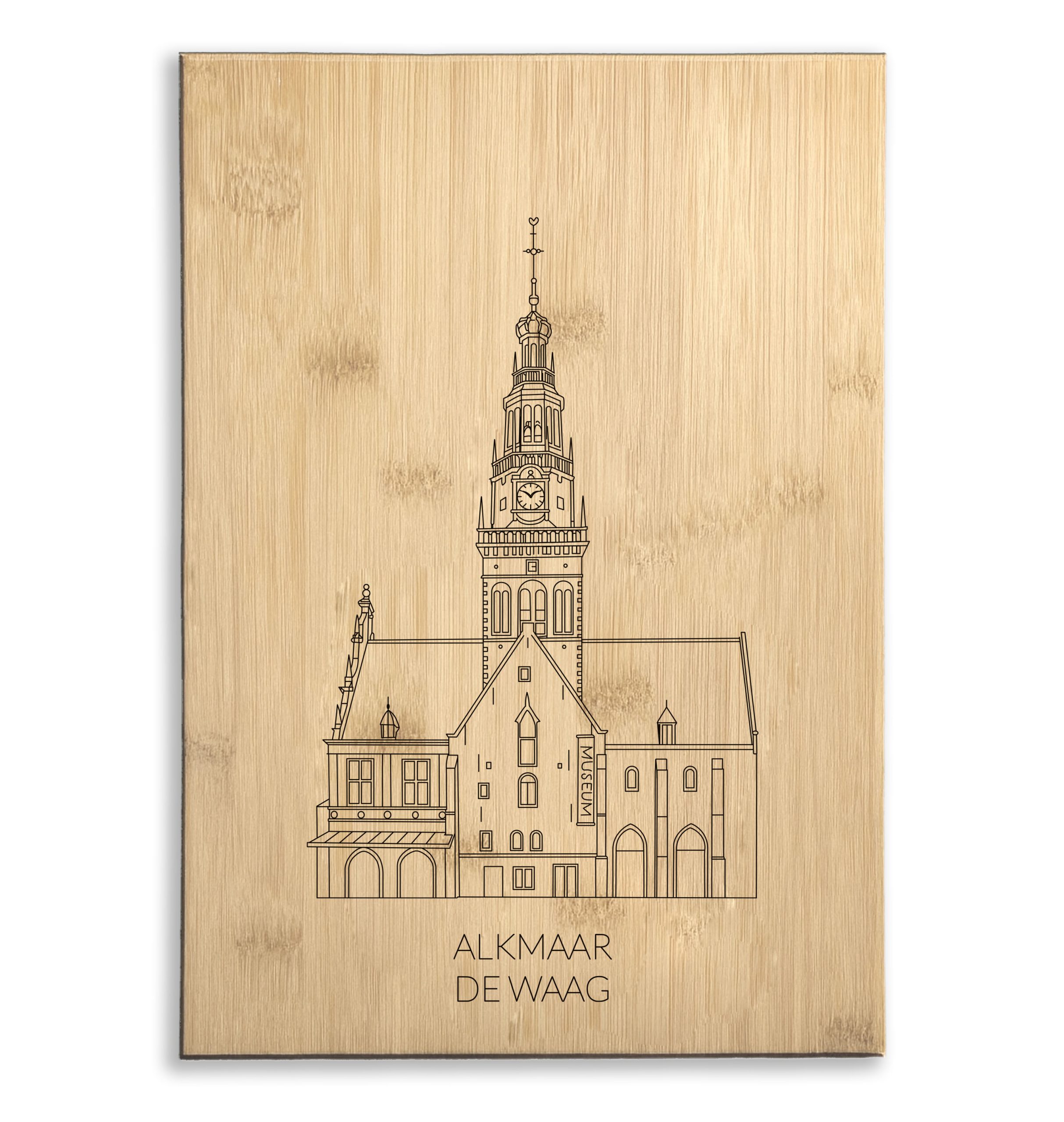
A real Alkmaar snack board; a unique souvenir from Alkmaar. The design is hand-drawn by our illustrator. De Waag in Alkmaar...
Together with De Huisjes on a culinary and architectural voyage of discovery through Haarlem
The total route is 6.5 km.
Want to walk past everything for a few nice photos? Then you'll be on your way for a good 2 hours. Do you want to visit all the attractions too? A day is quickly too short. Do you also book the secret tip? Then your romantic weekend is complete!
Experience all the Haarlem highlights and enjoy the historic little houses. Discover the real Haarlem.
Our city walk is completely free (and ad-free). Haarlem has more than 1,650 monuments, which makes it one of the largest monument cities in the country.
Experience all the Haarlem highlights. Enjoy the history. And walk past the highest-rated attractions: the Frans Hals Museum, the Corrie ten Boom House and the St. Bavo Church. Visit 1 of the 8 FREE sights or drink a Haarlem beer. Eat a Dutch herring with onions. An original oliebol with powdered sugar. Or dine in the tastiest historic houses. Join us on a journey and discover the real Haarlem.
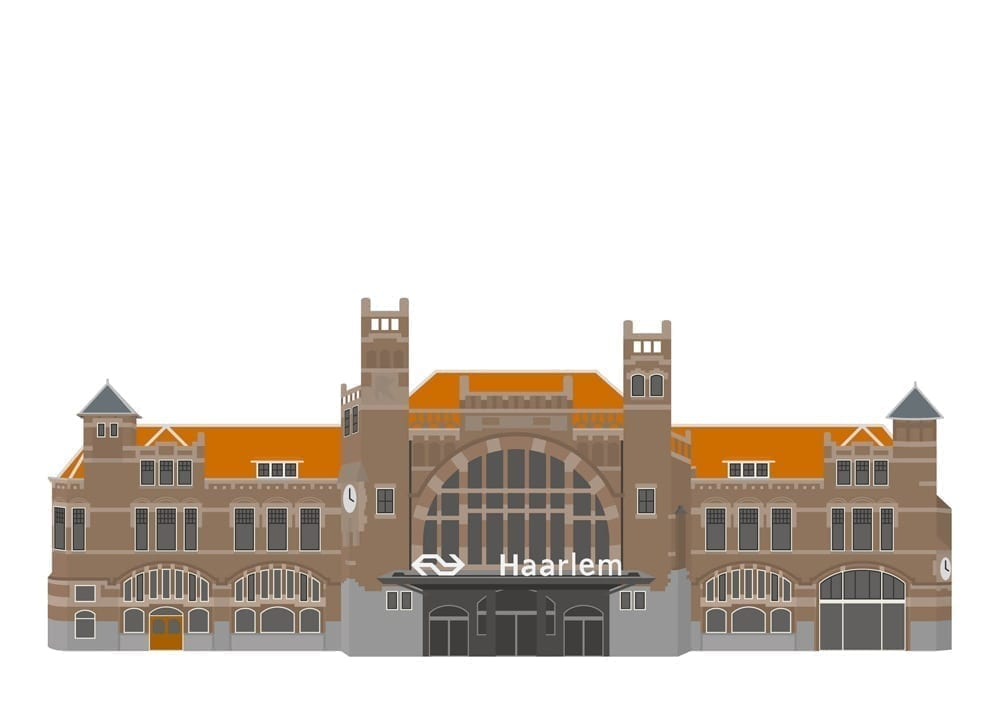
Our ‘classic historic little houses route’ starts at the monumental Haarlem Central Station. From here you walk straight towards the ‘old town’.
Address: Stationsplein 11 L, 2011 LR Haarlem
Haarlem's station is the only Dutch station built in the Jugendstil (Art Nouveau) style. The building is decorated with tiles, stained glass, woodcarving and ornamental ironwork.
The original waiting rooms for first, second and third class are still on the platform. If you miss your train in Haarlem, you can stroll around and discover all the special aspects of the building.
The original signal box is still in the middle of the platform. From there the station master could keep a close eye on all incoming and outgoing trains.
On the north side of the station is restaurant Vooges Centraal. A new, popular hotspot where you can have breakfast, lunch, drinks and dinner. Every Friday afternoon from 16:30 there is a DJ.
Walking route:
From the station, walk towards the southwest. Turn left onto the Kruisweg. Walk straight ahead towards the Kruisbrug and cross it. You are now entering the Old Town of Haarlem.
Continue to Kruisstraat. Continue to the Barteljorisstraat. The Boom family's shop is on your left on the corner at no. 19. The entrance to the museum is around the corner in the Schoutensteeg.
Address: Barteljorisstraat 19, 2011 RA Haarlem
Amsterdam has the Anne Frank House. Haarlem has the Corrie ten Boom House. The shop on the corner of the Barteljorisstraat and the Schoutensteeg is the place in Haarlem where the memory of hiding and resistance has been best preserved.
In this corner building lived the devout widower Casper ten Boom. Together with his daughters Corrie and Betsie, he offered Jewish people in hiding a refuge in his home.
Casper ten Boom was a watchmaker. He had his workshop behind his shop on the Barteljorisstraat. At the back of the building and on the upper floors were larger and smaller rooms that were used to house people in hiding. The Boom family probably gave more than 80 people in hiding a safe haven.
As punishment, the Boom family ended up in Ravensbrück concentration camp. Betsie and Casper did not survive the war. Corrie was released through a lucky administrative error. In 1962 the still devout Corrie was made a knight in the Order of Orange-Nassau.
Corrie ten Boom wrote down her remarkable story in a book, which became a bestseller and was also made into a film. In 1975 the film The Hiding Place premiered, starring Jeannette Clift and five-time Tony Award winner Julie Harris.
The Corrie ten Boom House is a small, free museum; you can only visit by signing up for a guided tour. Tours are in English and Dutch. Almost every week there is also a tour in German. A voluntary donation is appreciated.
Every day a list on the door of the museum shows the start times for that day. You can sign up there. It is also possible to reserve online in advance.
Walking route:
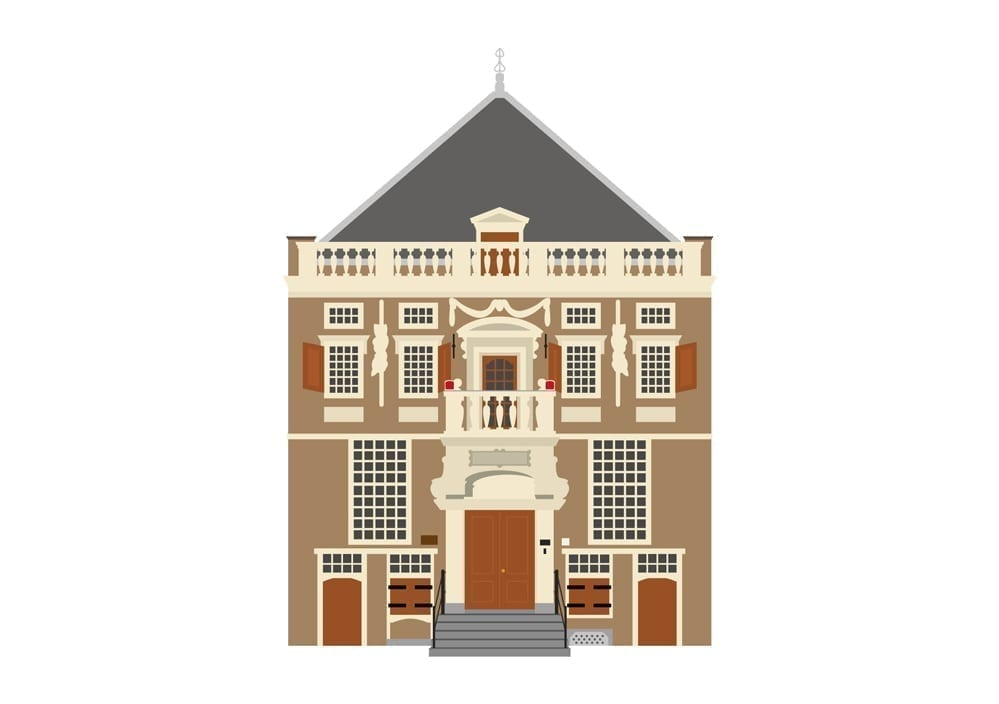
Walk through the Schoutensteeg and turn right onto the Smedestraat. On the corner of the Smedestraat/Grote Markt stands the oldest monument in Haarlem: the Hoofdwacht.
Address: Grote Markt 17, 2011 RC Haarlem
The Hoofdwacht is one of the oldest monuments in Haarlem.
In its early years the Hoofdwacht was used by the Counts of Holland. From 1250 to 1350 the building was the first Haarlem town hall. When the city government moved to the current town hall, the Hoofdwacht became a residence again. The ground floor has been used as a printing house, shop and beer cellar.
In 1765 the building became the guardhouse of the civic guard. From this central post on the Grote Markt the city gates were opened and closed and public order was maintained. The building was soon called the Hoofdwacht (Main Guard) and that name has stuck.
The wall on the Smedestraat is the oldest known brickwork in Haarlem. That makes the Hoofdwacht the oldest stone building in Haarlem. The oldest parts of the Hoofdwacht date from the mid-13th century.
Since 1919 the Historical Society Haerlem has rented the building from the municipality and uses it as its home base. You can visit the Hoofdwacht from April to September on Friday, Saturday and Sunday afternoons between 13:00 and 17:00. Admission is free. The Hoofdwacht is closed to the public in winter.
Walking route:
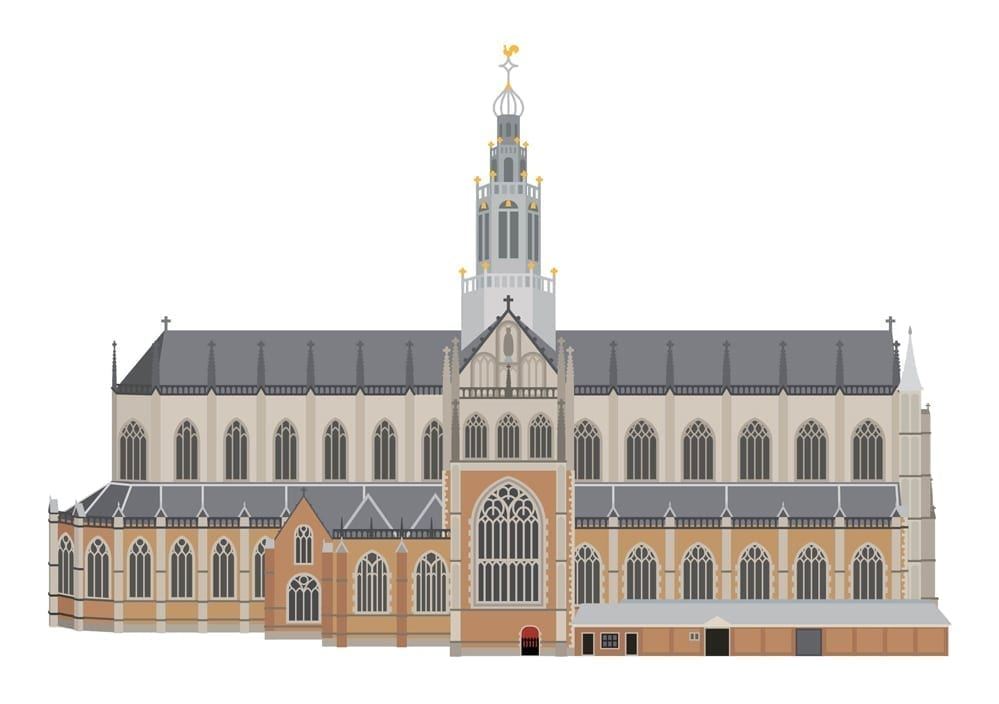
Directly opposite the Hoofdwacht, at Grote Markt 22, is the tourist entrance to the St. Bavo Church. It is also very nice to first walk around the church. The Riviervismarkt, Klokhuisplein and Oude Groenmarkt are full of nice and tasty places to eat and drink.
Address: Grote Markt 22
The Grote Kerk or St. Bavo Church, named after Saint Bavo, is a medieval cruciform church in Gothic style. It was built between 1370 and 1520. Until the mid-16th century the church was the Catholic cathedral of the Diocese of Haarlem. After the Reformation the church became Protestant.
The current church had several predecessors, both wooden and stone parish churches. In 1370 the last predecessor was badly damaged by a fire. The Gothic choir was rebuilt in 1400 and still stands today. This church is one of the Top 100 of Dutch UNESCO monuments.
When Corrie ten Boom was a child, her uncle was the caretaker of St. Bavo. Corrie wrote in one of her books that she and her cousin loved playing in the church when there were no services.
There are about 400 gravestones in the church. Directly under the choir lies the grave of the famous painter Frans Hals.
Inside you can admire the church's famous organ. It has been played by both Handel and Mozart.
St. Bavo can be visited from Monday to Saturday. In the summer months (July and August) admission on Sunday from 12:00 to 16:00 is free.
Walking route:
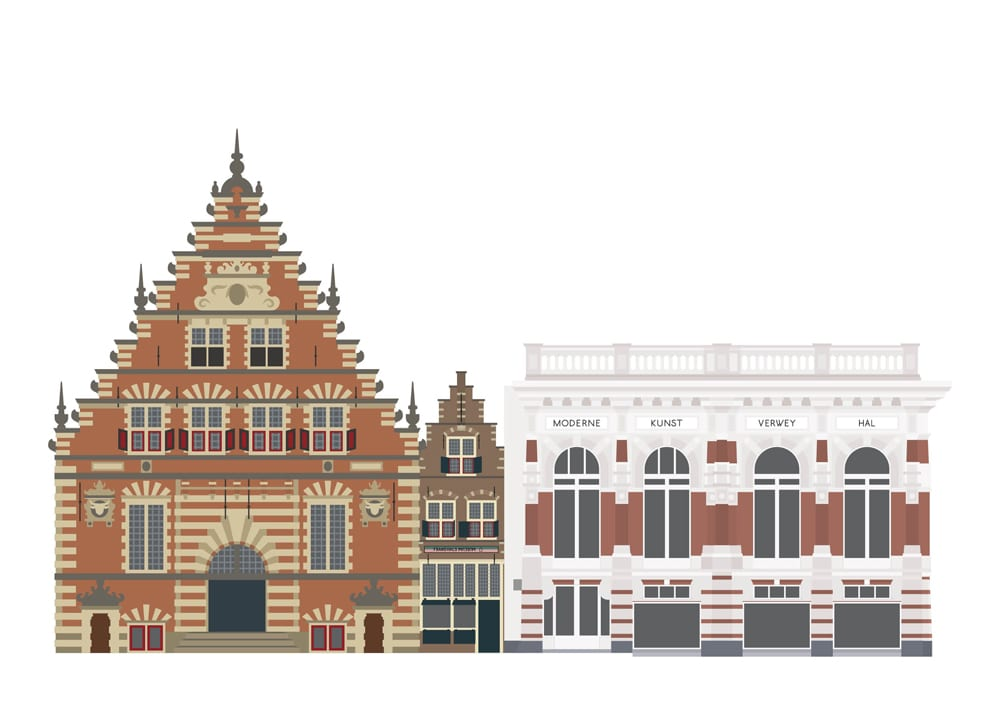
Walking along the south side of the Grote Markt, next to the Grote Kerk, you pass a rare architectural cocktail: the Vleeshal, the Vishuisje and the Verweyhal. Three striking buildings side by side like brothers, and all three from a different century!
Address: Grote Markt 16, 2011 RD Haarlem
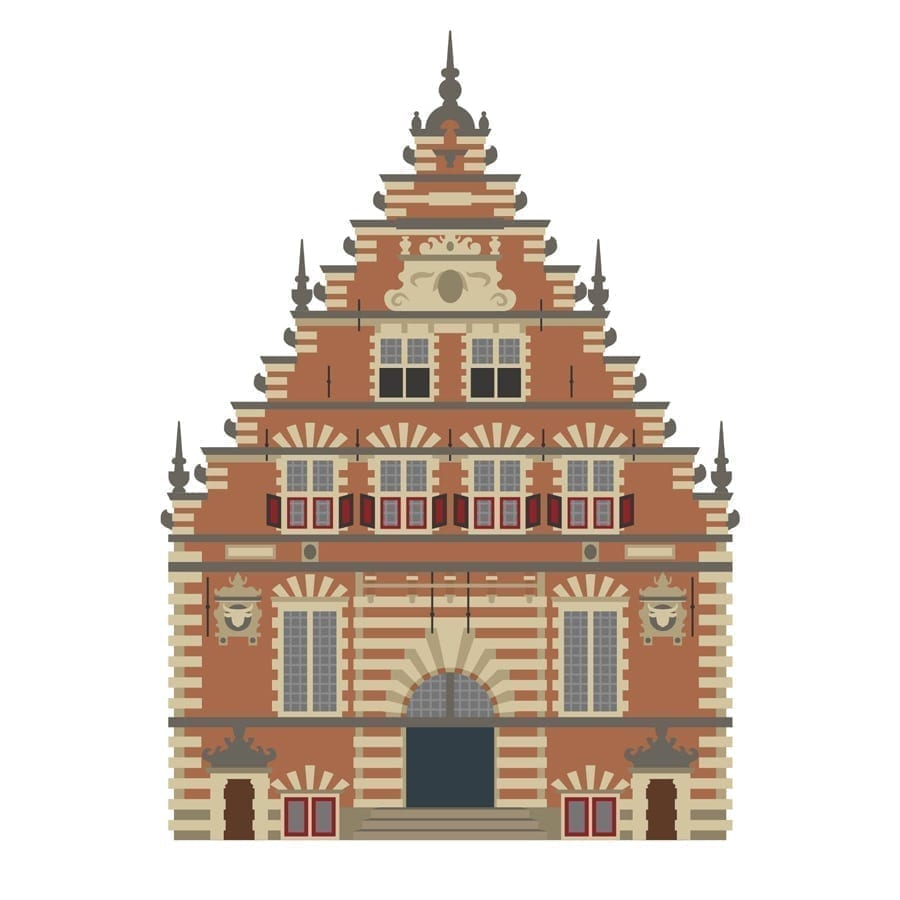
The Vleeshal is regarded as one of the most important examples of Dutch Renaissance art.
Meat was sold on this spot as early as 1386. When the number of inhabitants grew rapidly at the end of the sixteenth century, the city government decided that a new, larger Vleeshal was needed.
Because it wanted to show off the wealth of the city, the city government chose the most expensive proposal submitted by the city architect. This is how one of the most richly decorated buildings in Haarlem came to be.
The building has a very rich stepped gable with abundant use of sandstone blocks. The steps at the front of the Vleeshal are decorated with obelisks and the top is crowned with the coat of arms of Haarlem.
On either side of the large gate in the middle are 2 small, lower cellar doors, and ox and sheep heads have been added as stone decoration.
Beneath the Vleeshal, in the seventeenth-century vaulted cellar, is the Archaeological Museum Haarlem. The museum uses archaeological finds to tell the history of Haarlem. Very suitable for children and completely free! Open Wednesday to Sunday from 13:00 to 17:00.
Walking route:
Walking along the south side of the Grote Markt, you pass a rare architectural cocktail: the Vleeshal, the Vishuisje and the Verweyhal. 3 striking buildings side by side like brothers, and all three from a different century!
Address: Grote Markt 16, 2011 RD Haarlem
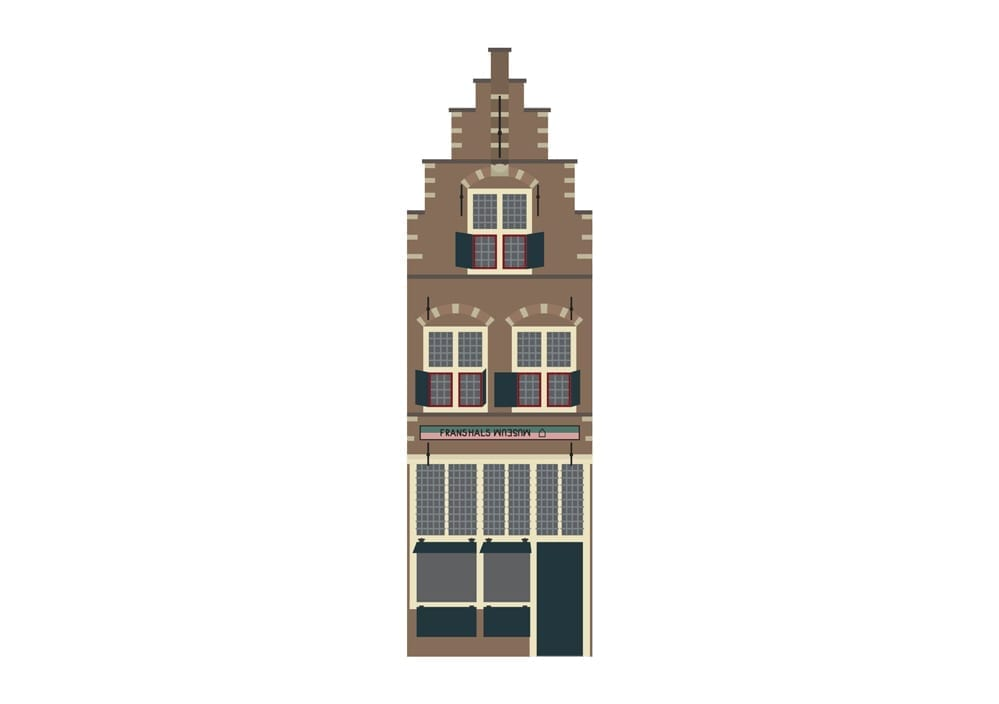
Wedged between the Vleeshal and the Verweyhal, the monumental building at Grote Markt number 16 stands small, narrow and mysterious.
The little house, with its cute stepped gable, tells the story of seven centuries of Haarlem. A glass seller named Harman Jansz once lived here. We know this because in 1608 he unsuccessfully applied to build on the yard behind his house. The application was rejected because it would block the light in the Vleeshal, which was yet to be built.
A century later fish was actually stored in the cellar of the Fish Hall. The building then had names such as ‘Vischafslagershuis’ (fish auction house) and ‘Bestelhuis voor Zandvoort’ (delivery house for Zandvoort). It is the place where fishermen and fishwives from Zandvoort rested over a cup of coffee after bringing their wares to the market here.
Not so long ago, archaeologists found a valuable treasure in the old cesspit (waste pit) of the Vishuisje: a gold necklace, a silver brooch, small diamonds and 40 coins stuck together.
Nobody knows how it ended up in the cesspit. Although there is, of course, that one story about a jewel robbery:
The story goes that in 1735 the 35-year-old Aagje Breed reported an assault and robbery. The thieves were said to be two soldiers who tore her gold necklace from her neck and stole her bag with a silver clasp. But the culprits were never caught and the loot was never recovered. At least, until now…
source: Haarlems Dagblad
Where tobacco was once sold and smoked in clay pipes, and not so long ago souvenirs were sold. Where fish was stored and fish sellers could rest. The Vishuisje is now the entrance to the Hal, part of the Frans Hals Museum.
Walking route:
Walking along the south side of the Grote Markt, you pass a rare architectural cocktail: the Vleeshal, the Vishuisje and the Verweyhal. 3 striking buildings side by side like brothers, and all three from a different century!
Address: Grote Markt 16, 2011 RD Haarlem
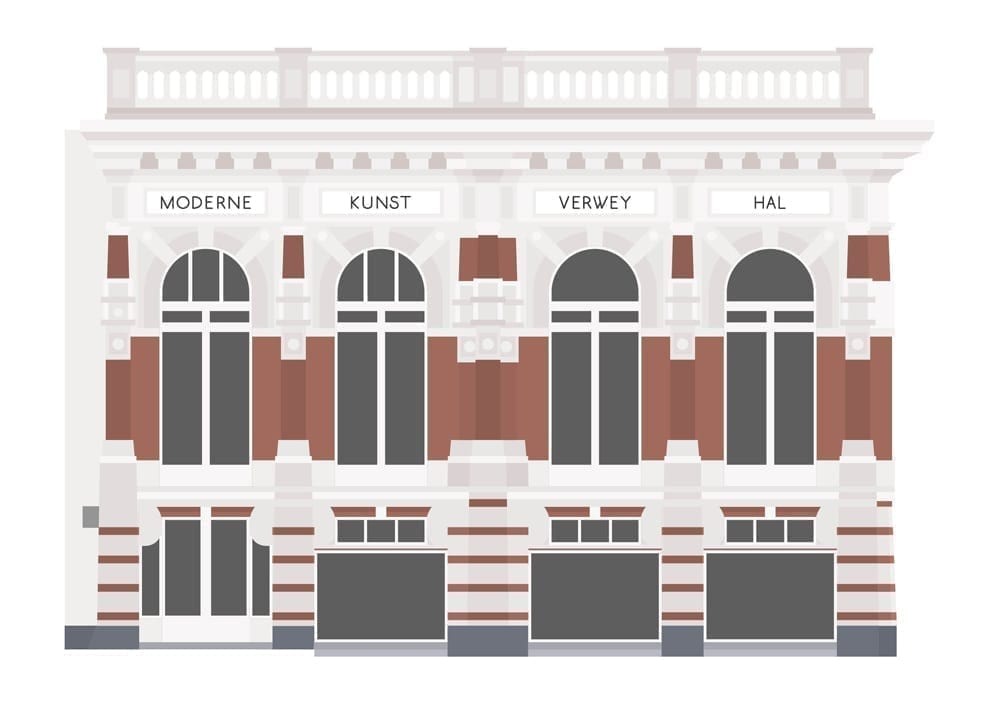
The former society building of ‘Trou moet Blijcken’ has been called the Verweyhal for a number of years. After a competition in 1876, the commission for the construction was awarded to the architect A.J. Van Beek. On 7 December 1880 the society was officially opened.
After the last renovation in the 1990s, the building was named after the Haarlem painter Kees Verwey (1900-1995).
The building is in the neoclassical style. The exterior of the bombastic building is still completely intact.
‘A not very successful box of building blocks’. That is what government architect Gijsbert Friedhoff called the building in 1947. He wanted to have the building demolished and replaced with traditional facades. Fortunately that never happened, and public opinion of the building soon turned positive again.
The Verweyhal has been home to De Hal, part of the Frans Hals Museum Haarlem, for quite some time. In the Hal (formerly De Hallen Haarlem), modern and contemporary art is exhibited in changing presentations. The emphasis is on contemporary photo and video presentations, in which people and society are central. The entrance is in the Vishuisje.
Walking route:
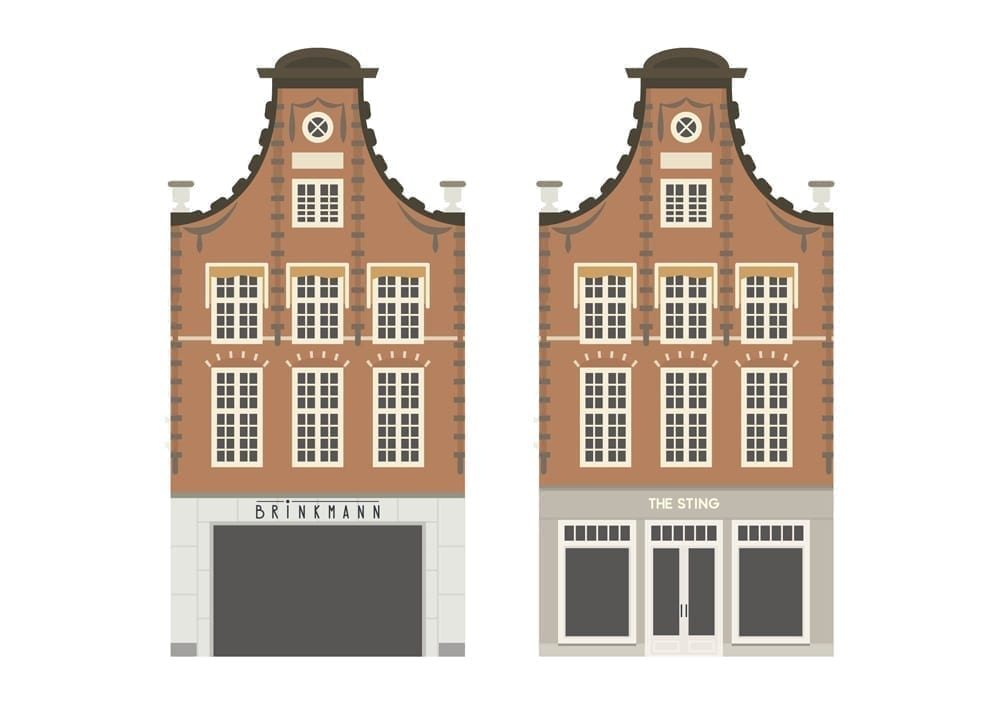
Opposite the architectural cocktail and a few doors from the Hoofdwacht, on the north side of the Grote Markt, at no. 11 is the entrance to the former Brinkmannpassage, recently converted into a branch of fashion company The Sting.
Address: Grote Markt 11-13, 2011 NZ Haarlem
The Brinkmann family is a household name in Haarlem. Since 1881 they have run the café-restaurant of the same name at Grote Markt 13. In the years that followed they managed to get the entire block of houses between the Barteljorisstraat, Schoutensteeg, Smedestraat and Grote Markt into their hands.
Exactly a century later, that entire block of houses behind the facades of the Grote Markt was converted into a covered shopping arcade. In the 1980s and 90s the Brinkmannpassage housed an underground cinema and 42 shops.
During the construction of this arcade several buildings had to make way. The monumental facade of Grote Markt 11 was spared. And with the most recent renovation it was fortunately restored to its former glory.
Grote Markt 11 was also the home of the well-known Dutch poet, linguist, historian and lawyer Willem Bilderdijk (1756-1831). The celebrated poet also died there and is buried in the St. Bavo Church.
The Brinkmannpassage stood empty for a few years, but has recently been completely renovated. In March 2018 one of the largest branches of the clothing chain The Sting opened here. So you can shop again in the old Brinkmannpassage!
Walking route:
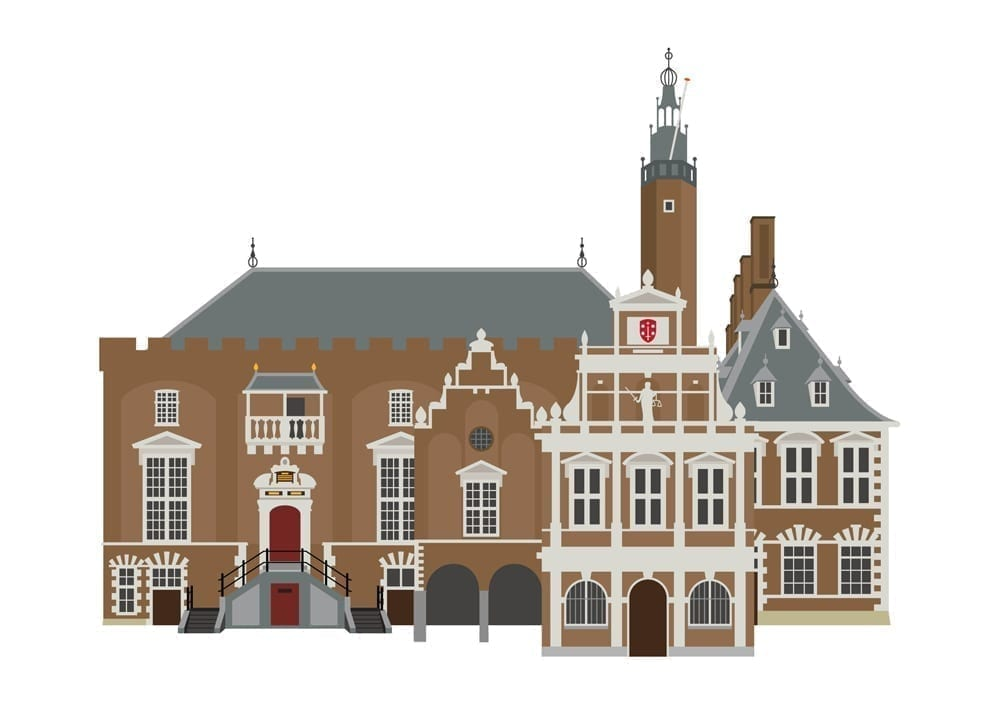
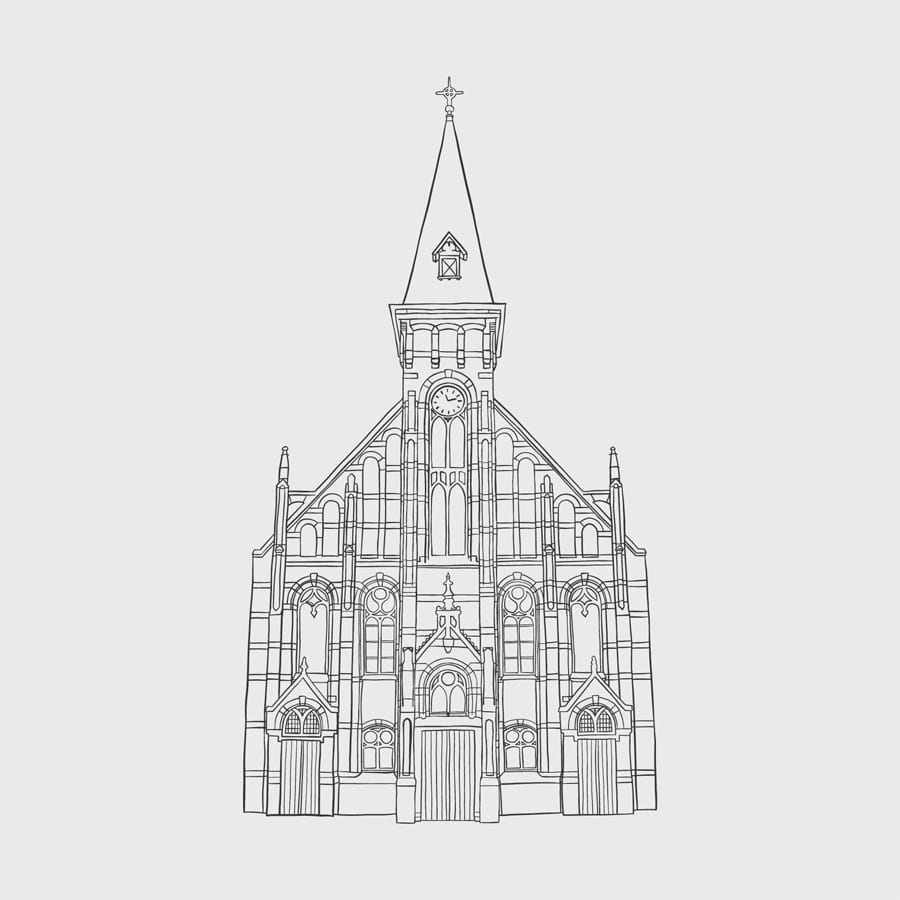
On the west side of the Grote Markt, at number 2, you will find the centuries-old Town Hall of Haarlem. The entrance gate is on the left, on the corner of the Grote Markt and the Koningsstraat.
Address: Grote Markt 2
In the thirteenth century the town hall of Haarlem was the hunting lodge of Count Floris V. A century later it was destroyed by a fire. In 1370 the town hall was founded on this spot.
The building is a merger of the town hall and the Jacobin monastery. If you stand directly in front of it, you can see an extension on four pillars on the right. That was the vierschaar, where justice was once administered. Until the 19th century a wooden scaffold also stood here.
Between 1622 and 1630 the city architect Lieven de Key built a new wing in Dutch Renaissance style on the Zijlstraat side. In the years after, the facade was renewed in classicist style.
In the days when justice was also administered in the town hall, the executioners of the Haarlem court had a reputation that reached far beyond the city limits. The Haarlem executioner was even hired out to other cities for a fee.
The saying ‘as bold as the executioner of Haarlem’ is still used today to describe cheeky people.
To this day the city government works in the centuries-old town hall. In the halls of the refectory (adjacent to the inner garden), changing art exhibitions can be visited for free.
Walking route:
West of the town hall runs the Zijlstraat. From the Grote Markt head west and turn into the Zijlstraat. The Zijlstraat is one of the 7 Golden Streets of Haarlem. After 300 meters turn right onto the Witte Herenstraat. The Lutheran Church is on your left after 90 meters.
Address: Witte Herenstraat 22, 2011 NV Haarlem
“The Lutheran church surely isn't old,” says a tourist walking along the Witte Herenstraat. This unsuspecting passer-by has been misled by the facade dating from 1896. Only the building behind it is much older: it is even one of the oldest clandestine churches in our country!
The first stone was laid on 11 February 1614, on top of the old foundations of the chapel of the monastery of the Witte Heeren. On 9 February 1615 the church was completed and ready for use.
The organ of the Lutheran church in Haarlem is the only Strobel organ the Netherlands still has. Surviving parts of the Strobel organ of the Bakenesserkerk in Haarlem were used for the reconstruction of this organ.
Walking route:
Walk back from the Lutheran church towards the Zijlstraat and turn right. On the corner of the Zijlstraat/Zijlvest is Het Wapen van Bloemendaal. Turn left past the café and after 120 meters turn left again towards the Raaks. Then turn right onto the Jacobstraat. The Jacobstraat comes out on the Hortusplein: you are now in the middle of the (new) Raaks district.
Address: Hortusplein, 2011 XT Haarlem
If you walk west along the Zijlstraat, on the corner of the Zijlstraat/Zijlvest is Het Wapen van Bloemendaal. It started out as a restaurant and has been a café since 1875. Inside you can see beautiful murals. They were only discovered in 1988 behind seven layers of wallpaper. The paintings were made around 1900 and show Haarlem's pride: the Amsterdamse Poort, Brouwersvaart and the Molen De Adriaen. The advertisements are for Haarlem companies such as A. Keur, wholesaler of sand and building materials, and distiller H. van der Meer. The murals have been expertly restored and can be admired every day.
Opposite Het Wapen van Bloemendaal you see Haarlem's pop venue, the Patronaat. The Patronaat is 1 of the 10 pop venues the Netherlands has. And not only the Patronaat's line-up is special. The building itself also attracts a lot of attention. The remarkable building was designed by architect Paul Diederen of the firm Diederendirrix Architecten.
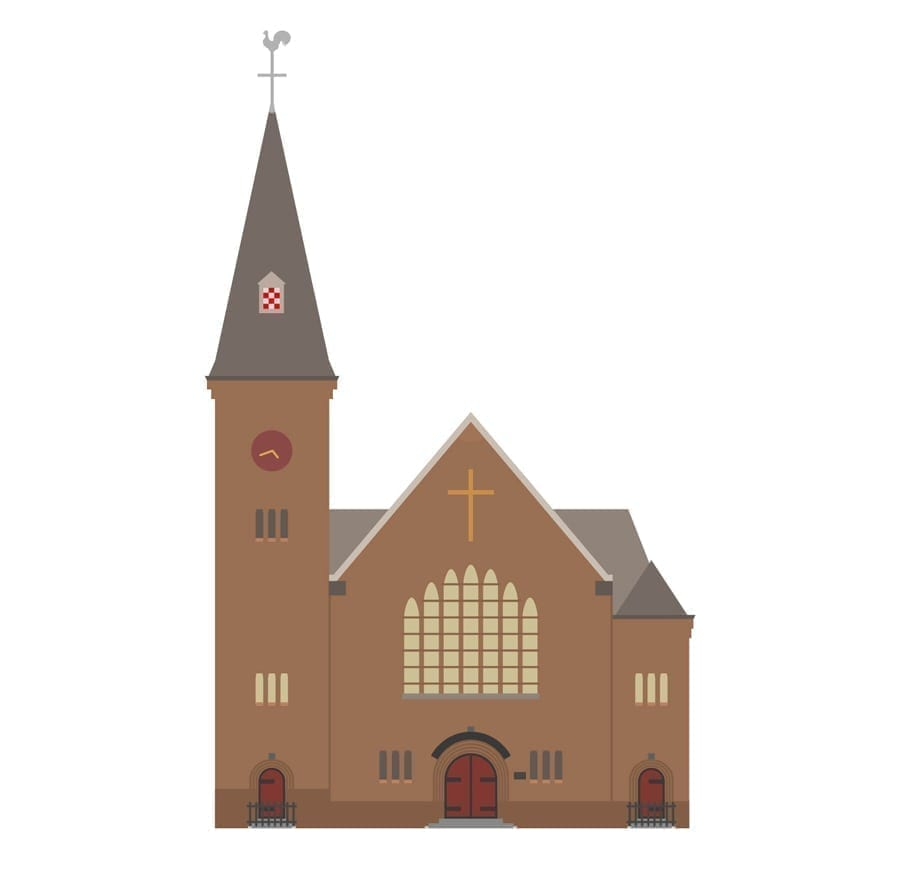
The Raaks district is relatively new, but no less special for that. It includes the new city office, a Pathé cinema, a supermarket, an ice cream parlor, various restaurants, a parking garage, a hotel, 40 vintage shops under 1 roof and the beautifully restored Jopenkerk. With Jopen, the centuries-old Haarlem brewing tradition has been restored to its former glory.
You don't go to the Jopenkerk to pray. The former place of worship in the lively center of Haarlem has been transformed into a modern city brewery, grand café and restaurant. While enjoying a drink or dinner, visitors can watch the brewing process with their own eyes.
Walking route:
From the Hortusplein, walk into the Drossestraat. Go 200 meters straight ahead to the Gedempte Oude Gracht and cross the street. On the corner of the Gedempte Oude Gracht and the Jacobijnenstraat is the special bookshop H. de Vries. Turn right and walk along the Gedempte Oude Gracht towards the south. The Wilhelmina Church is on your left after 60 meters.
Address: Gedempte Oude Gracht 61, 2011 GM Haarlem
The Wilhelmina Church defines the look of the stretch of the Gedempte Oude Gracht between the Verwulft and the Raaks. It is also historic ground for Protestant Haarlem.
The church was built just after the First World War and, by Dutch standards, has a relatively short history. On 31 August 1921 (Queen's Day) the church was taken into use.
“What good am I as a tower, I don't even have a clock.” That is written under an old cartoon of a sad-looking Wilhelmina Church. This came to an end at the 60th anniversary, when the church finally got three new bells and a new weathercock.
During the Second World War the church had no name, because the name of the then Dutch queen Wilhelmina was not allowed to be used. People then spoke of the “dot-dot-dot church”.
On the route from the Raaks district to the Wilhelmina Church is H. De Vries Boeken. The wooden beams, open ceilings and rough brickwork make it immediately clear that the bookshop's building has been around for a while. In fact, H. De Vries Boeken spans 5 shop buildings and inside you can find the oldest piece of wall in Haarlem. The bookshop has a nicely furnished inner garden and spacious reading tables. Open 7 days a week.
Walking route:
From the Wilhelmina Church, continue walking along the Gedempte Oude Gracht in a southerly direction. This takes you straight towards the remarkable building. The Van der Pigge drugstore is on the corner of the Gierstraat.
Address: Grote Houtstraat 70, 2011 SR Haarlem
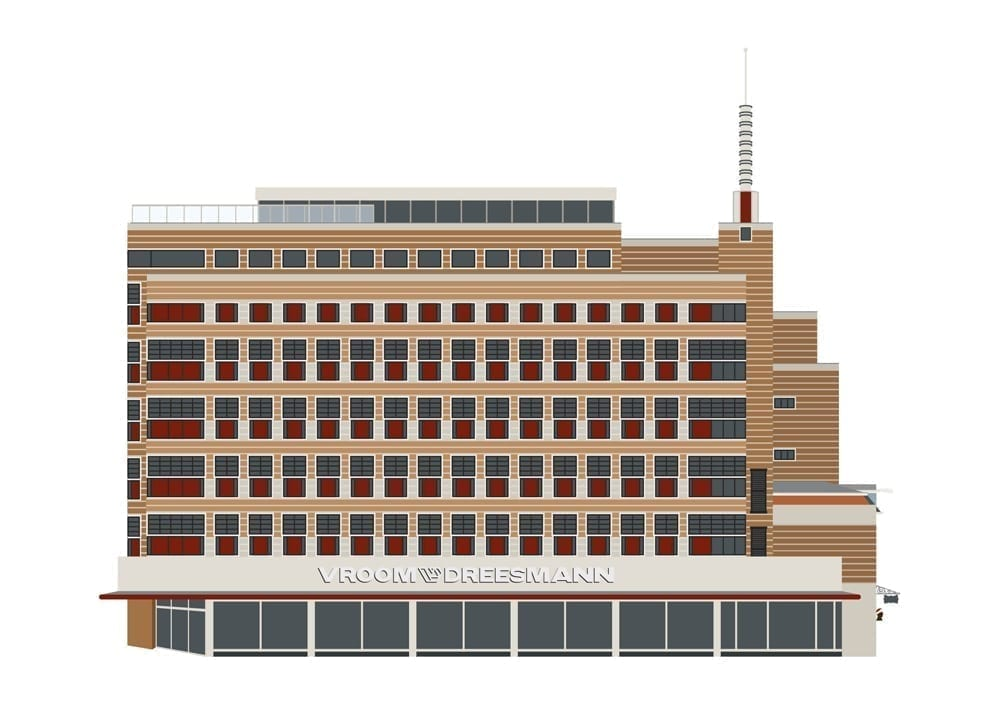
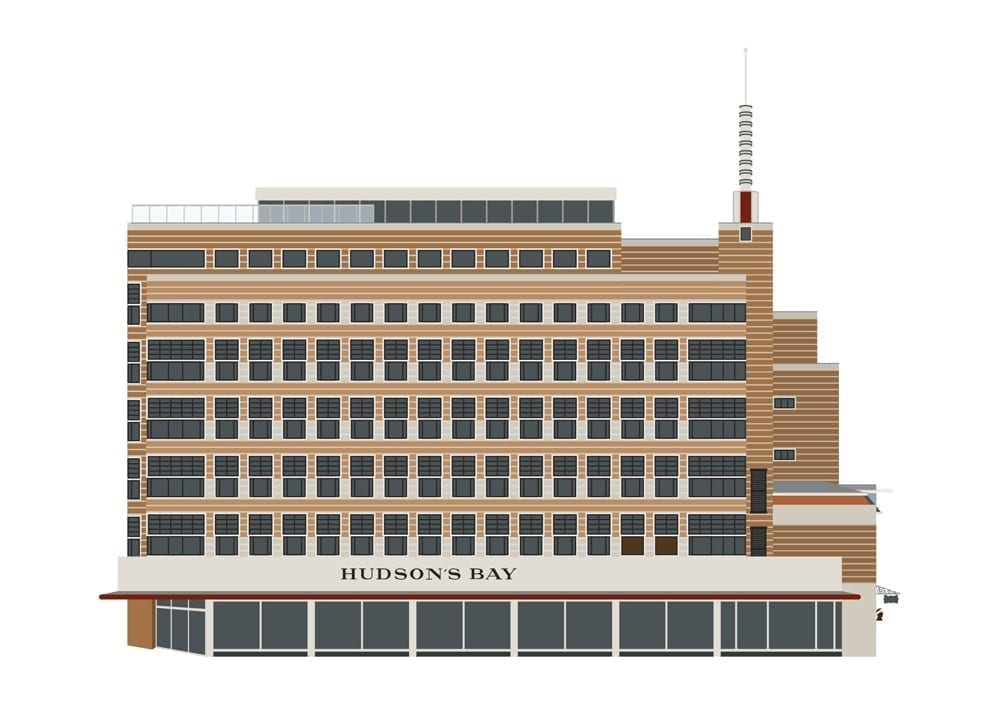
This remarkable building now houses a Hudson’s Bay. But for years it was home to one of the largest Dutch department stores: Vroom & Dreesman.
When brothers-in-law Vroom and Dreesmann wanted to expand in Haarlem, they bought up no fewer than 22 shop buildings. That is how they were able to build their department store on this spot. Only 1 stubborn druggist flatly refused to sell his shop.
Anton van der Pigge, owner of the drugstore on the Gierstraat, would not budge. He must have thought “If the spot is good enough for V&D, it is good enough for my business.” So the V&D was built around the 18th-century building.
In 1934 the V&D opened as ‘a masterpiece of architecture in the field of retail’. The Dutch department store stayed in business for more than 80 years. Hudson’s Bay recently opened a new branch here. Van der Pigge still exists.
The first design by architect Jan Kuijt was rejected by the municipality of Haarlem: they found the building too tall. The aesthetics committee wanted to make sure enough light could still reach the streets, so the top floor had to be ‘set back’. Architect Kuijt was ordered to make a second design.
Since 1849 the people of Haarlem have been getting their natural remedies from Van der Pigge. The current shop still has the original interior that was made when it was founded. Among other things you will find gapers (traditional apothecary sign heads), old mortars, funnels, calibrated measuring cups and especially many stoppered bottles and small wooden barrels. A real dive back in time. Open Monday to Saturday.
Walking route:
From the V&D walk into the Gierstraat. After 140 m turn right onto the Breestraat. The Breestraat leads to a five-way junction. This district is therefore quite aptly called the Vijfhoek. Turn left onto the Lange Raamstraat and right onto the Doelstraat.
Walk straight ahead to the water and then turn left onto the Oranjekade. You now pass the back of the Stadsschouwburg (theater), which is also the new-build side. Cross the Leidsebrug and turn left onto the Leidsevaart. After 200 m the cathedral is on your right.
Address: Leidsevaart 146, 2014 HE Haarlem
Walk through the Vijfhoek district, via the Stadsschouwburg, to the Cathedral Basilica of St. Bavo.
Not in the past, but by now the Vijfhoek is one of the most popular neighborhoods of Haarlem. With its narrow streets, cobblestones and often colorful flowers, the Vijfhoek has something of a picturesque village in the middle of the city.
The Breestraat, Lange Bogaardstraat, Drapenierstraat, Wolstraat and Lange Raamstraat all 5 come together. Right in the middle of the five-way junction is the popular local pub Café de Vijfhoek. Friendly service and good products in a relaxed living-room atmosphere.
The Vijfhoek had a very bad reputation for years. It was a working-class neighborhood and industrial area. There were tanneries, breweries, weaving mills and bleachworks. And ‘ladies of easy virtue’ were not missing either.
The district had a bad reputation, but is now one of the most sought-after neighborhoods of Haarlem. The neighborhood slowly changed from “the place you were not allowed to go” to “cute, picturesque village in the middle of the big city”.
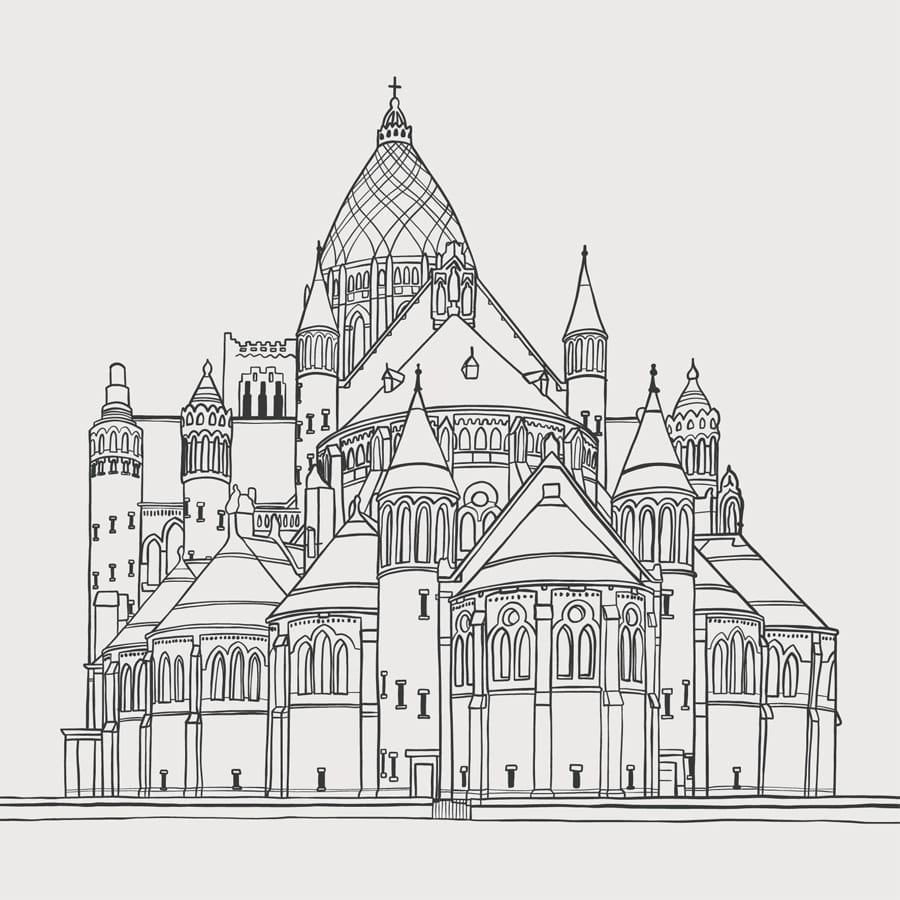
In 1895 the first pile of the imposing Basilica was driven into the ground. In the years after, the transept, the dome, the nave with side aisles and the towers up to the roof of the church were built.
In 1930 the towers were completed and the cathedral was a fact. Recently a thorough renovation took place again. The Basilica was under scaffolding for more than 6 years and the result is impressive!
The Cathedral Basilica of St. Bavo can be visited from Tuesday to Saturday for a small fee (including an audio tour). Small children are free, older children pay 1 euro.
Next to the Theater, near the Leidse Brug, stands the busy stall of Willy's Vis all year round. Besides eel sandwiches and fried kibbeling they also sell delicious Dutch herring. Eat it the way the Dutch do: fresh, raw and with onions!
Walking route:
From the Cathedral Basilica of St. Bavo, walk back to the Leidsebrug and cross over. The Leidsebrug turns into the Raamvest. After 280 meters turn left onto the Oude Raamstraat. Turn right onto the Nieuwe Raamstraat. This street becomes the Nieuwe Kerksplein.
In front of the church turn left to stay on the Nieuwe Kerksplein. Continue to the Lange Annastraat and then turn straight into the Doelstraat. The Doelstraat comes out on the Grote Houtstraat.
To get to the Proveniershof, turn right onto the Grote Houtstraat. The entrance gate is immediately on your right at number 144.
For the Frans Hals Museum turn left onto the Grote Houtstraat. Then turn right onto the Cornelisstraat. And right again onto Klein Heiligland. Then left onto Nieuw Heiligland and right onto Groot Heiligland. At number 62 is the Frans Hals Museum.
Address: Groot Heiligland 62, 2011 ES Haarlem
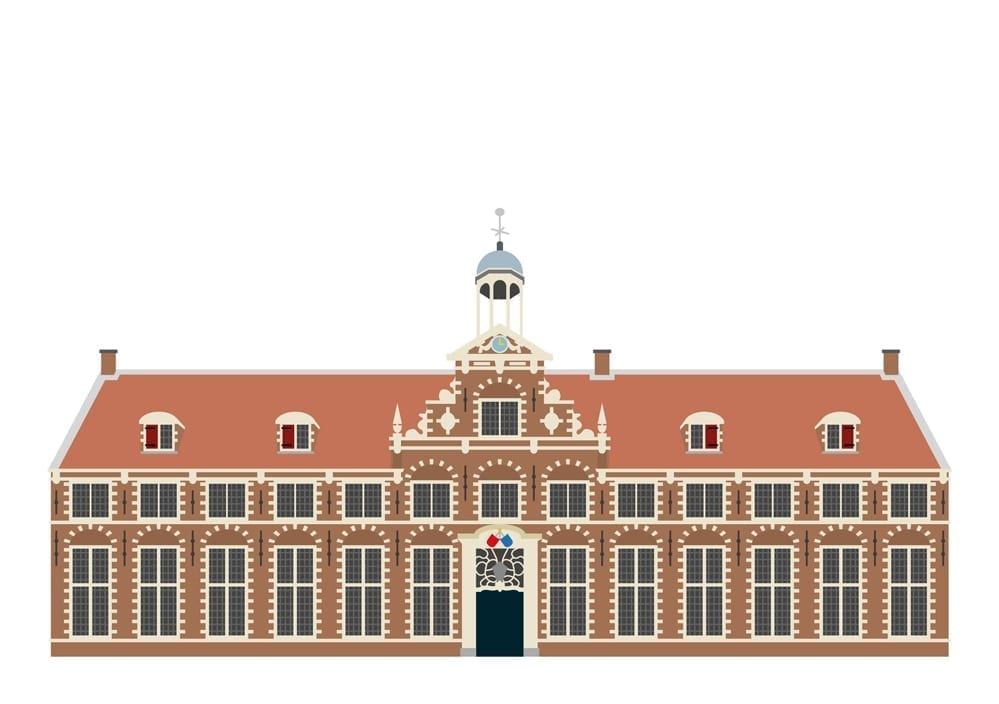
The Frans Hals Museum was originally an almshouse for old men from the early 17th century. It was considered so beautiful at the time that people wrote: “The Old Men's House seems much more like a Prince's Palace.”
On 1 February 1609 the first old men moved into the building. 200 years later the building became an orphanage and the old men moved to the Proveniershuis on the Grote Houtstraat.
When the municipality bought the building back from the Dutch Reformed Church, it housed the city's art collection there. On 14 May 1913 the building was opened as a museum. The museum surrounds an inner garden, which is laid out in the same style.
At Groot Heiligland 47, on the same street as the Frans Hals Museum, is the Museum Haarlem. The History of Haarlem is their permanent exhibition.
To finance the construction of the Old Men's House, a festival and lottery were organized. The total proceeds were 55,000 guilders (25,000 euros). In 1607-1611 that was enough for the construction.
The Proveniershof is different from the small almshouse courtyards in Haarlem. The homes in the Proveniershof were not a form of charity, but meant for the wealthy. They paid a lot to be able to live there in later life. The Proveniershof is free to visit.
Opposite the Proveniershof, in the winter months, there is a very Dutch ‘Oliebollenkraam’ (oliebollen stall). They sell typical Dutch treats such as apple fritters, currant buns and oliebollen. Those are deep-fried dough balls with powdered sugar, traditionally eaten on New Year's Eve.
This walking route passes the Nieuwe Kerksplein. On 24 December the busy (free) Christmas carol sing-along traditionally takes place here (and on the Grote Markt).
Walking route:
From the Frans Hals Museum on Groot Heiligland, walk towards Nieuw Heiligland. Go straight ahead into the Schaggelstraat and straight ahead into the Warmoestraat. The Schaggelstraat and the Warmoestraat are 2 of the 7 Golden Streets of Haarlem.
After 200 meters turn right into the Anegang. Turn left again into the Lange Veerstraat and then immediately right onto the Korte Veerstraat. Turn left towards the Spaarne. After 300 meters, on the corner of the Damstraat and the Spaarne, is the Waag.
Address: Damstraat 29, 2011 HA Haarlem
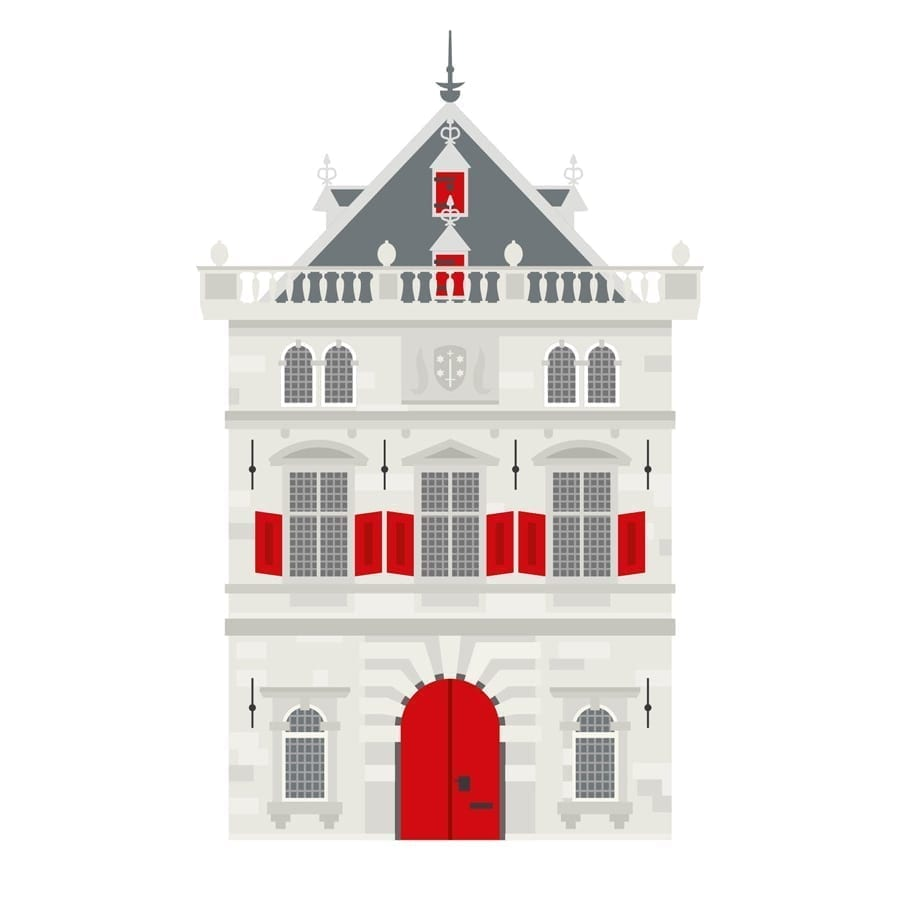
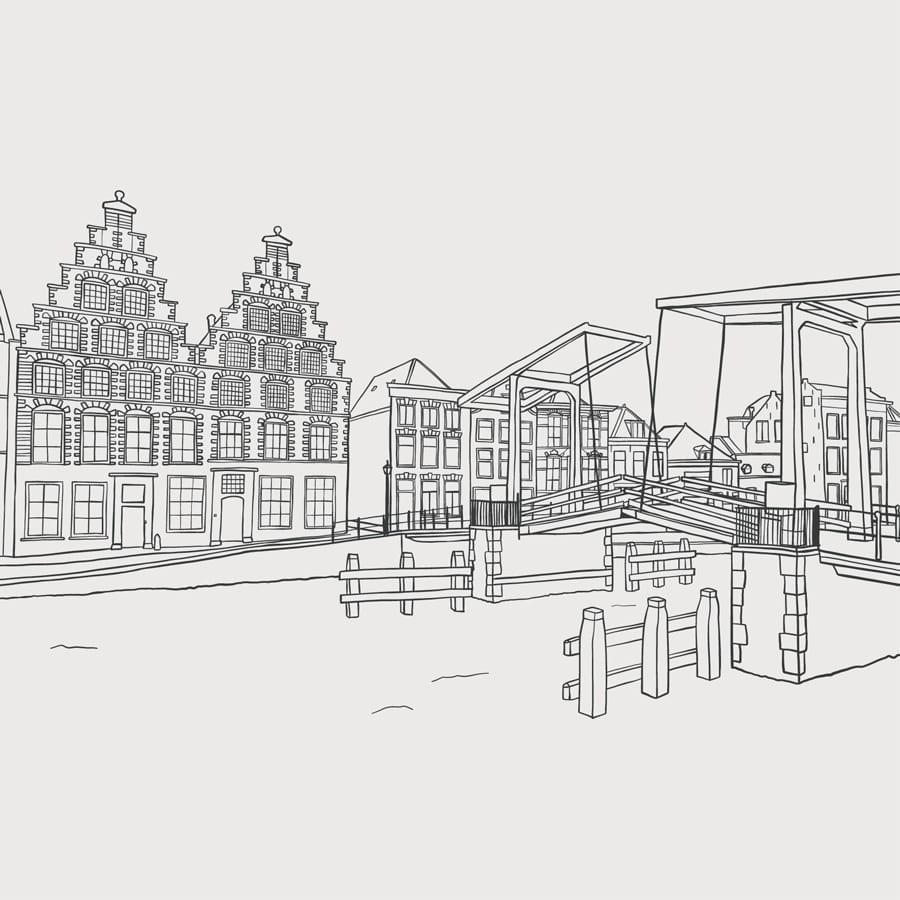
Around 1597 De Waag was built under the direction of the Haarlem city architect Lieven de Key as a municipal trade and excise office. On the ground floor, goods were weighed in the weigh hall. Depending on the weight, tax was levied on them.
The facade of De Waag is built of natural stone. This is rare in the Netherlands because transporting natural stone used to be very expensive. The location of the building was tactically chosen because ships could moor on the Spaarne to unload their goods.
Since 1821 the artists' association KZOD ‘Kunst zij ons doel’ (Art is our goal) has been located on the upper floor. Greats such as Pete Seeger, Joan Baez and Simon and Garfunkel have performed here.
Today De Waag houses the café restaurant Taverne de Waag. In addition, a lot is organized in the fields of live music, poetry and philosophy. You can eat there from 12.50 euros.
Walking route:
From De Waag, walk a few doors further north to the Teylers Museum.
Address: Spaarne 16, 2011 CH Haarlem
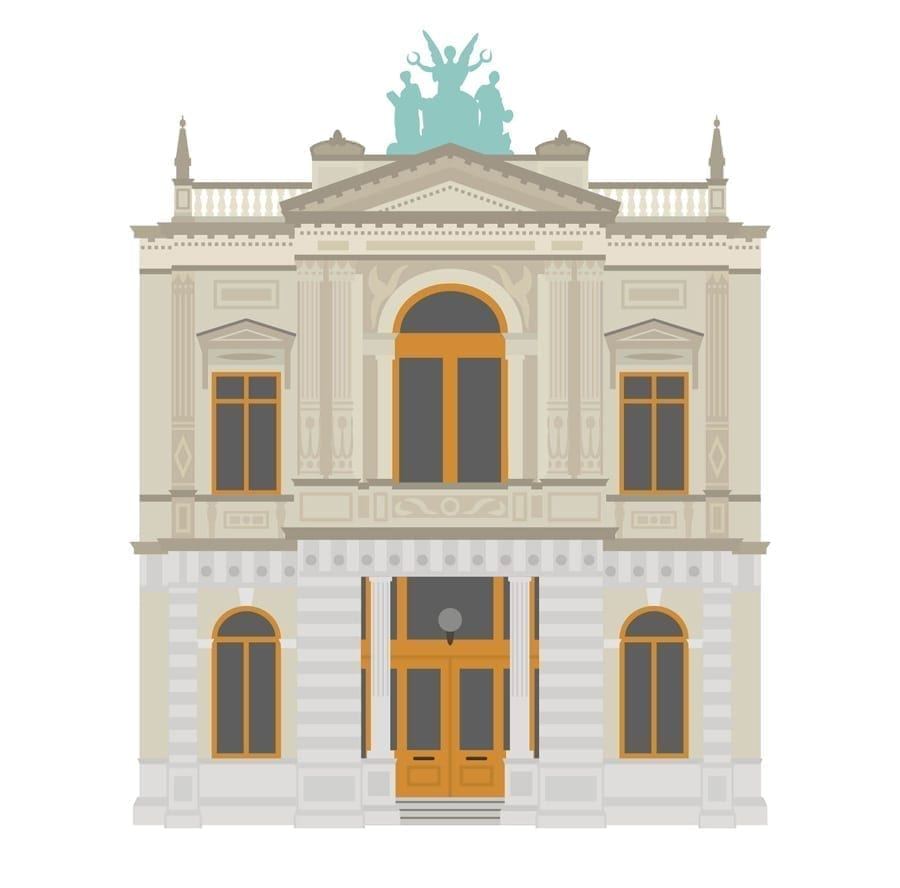
The Teylers Museum is the first and oldest museum in the Netherlands. The museum is named after Pieter Teyler van der Hulst (1702-1778), a wealthy Haarlem silk manufacturer and banker. As a follower of the Enlightenment, Pieter Teyler had a great interest in art and science. He left his collection and fortune to the Teylers Foundation, whose purpose was the promotion of art and science.
The Teylers Museum was built in 1780 to a design by Leendert Viervant. The Spaarne facade is by the Viennese architect Chr. Ulrich. The richly decorated facade on the Spaarne illustrates Haarlem's nationally protected cityscape. The iconic building is therefore a favorite of many people from Haarlem.
Pieter Teyler's will did not mention a museum. This plan was devised by the five friends who acted as executors of the will.
The Teyler was the first museum in the Netherlands. The museum got a museum director, who was given the important task of collecting scientific objects, and a curator who purchased paintings and took care of their maintenance.
The Teylers Museum often has wonderful shows. Now they have realized an old dream: the first major Dutch exhibition of real drawings by Da Vinci. Leonardo's work is spread over museums all over the world and it is not easy to get it on loan. The exhibition takes place from 5 October 2018 to 6 January 2019. You can order tickets here for this special Da Vinci exhibition.
Walking route:
From the Teylers Museum walk to the Gravenstenenbrug. Cross the bridge and turn right onto the Korte Spaarne. Then turn left into the Spaarnwoudestraat. You are walking straight towards the gate.
Address: Amsterdamse Poort, 2011 BS Haarlem
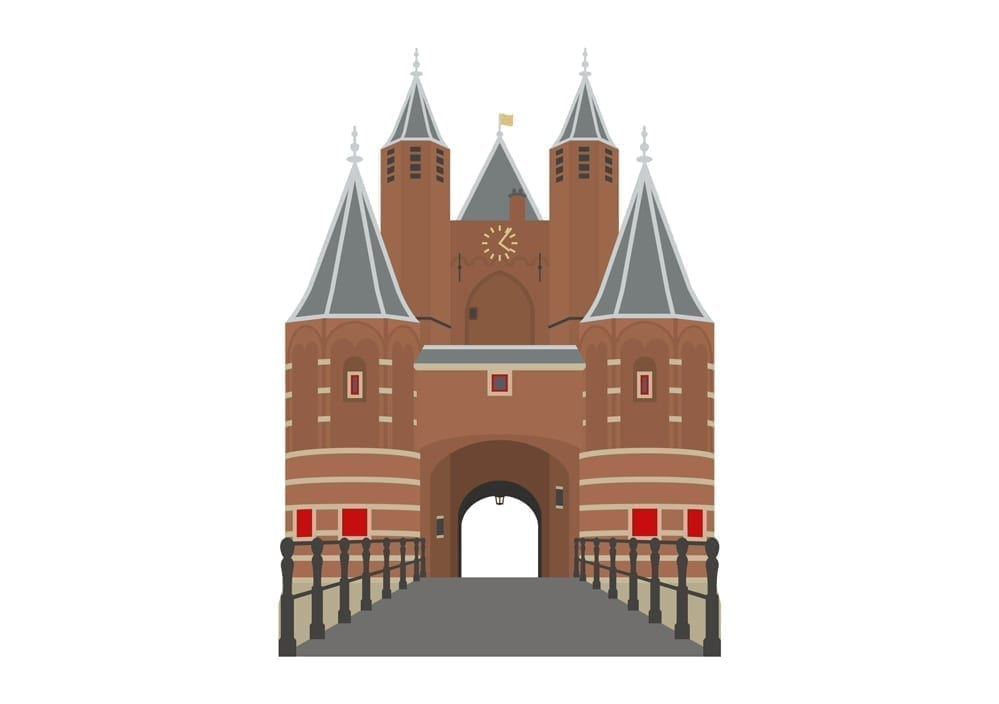
The name of the gate gives it away a little: you left Haarlem through this gate if you wanted to travel to Amsterdam. Three hours later you would arrive at the Haarlemmerpoort on the Haarlemmerplein in Amsterdam.
The Amsterdamse Poort, built in 1355, is the only one of the 12 city gates that is still standing. It was built during the first enlargement of the city, when a part across the Spaarne was brought within the walls.
In 1865 the city government wanted to demolish the medieval gate to build a new bridge. The gate was in poor condition and was in the way of the new bridge. But because the city had too little money, they decided to renovate only what was strictly necessary. 120 years later, in 1985, the Amsterdamse Poort finally received its well-deserved renovation.
Unfortunately the interior of the Amsterdamse Poort cannot be visited. You can walk (for free) under the gate and cross the bridge.
According to tradition, Kenau Simonsdochter Hasselaer stood on the ramparts of the Amsterdamse Poort during the Eighty Years' War to repel the Spanish attack. The gate is said to have survived the war without too much damage.
Walking route:
From the Amsterdamse Poort walk into the Melkboersteeg. Then turn right onto the Houtmarkt. The Houtmarkt turns into the Korte Dijk and the Blekersvaart. Take the first left onto the Scheepsmakersdijk. This street comes out at the Molen de Adriaan.
Address: Papentorenvest 1A, 2011 AV Haarlem
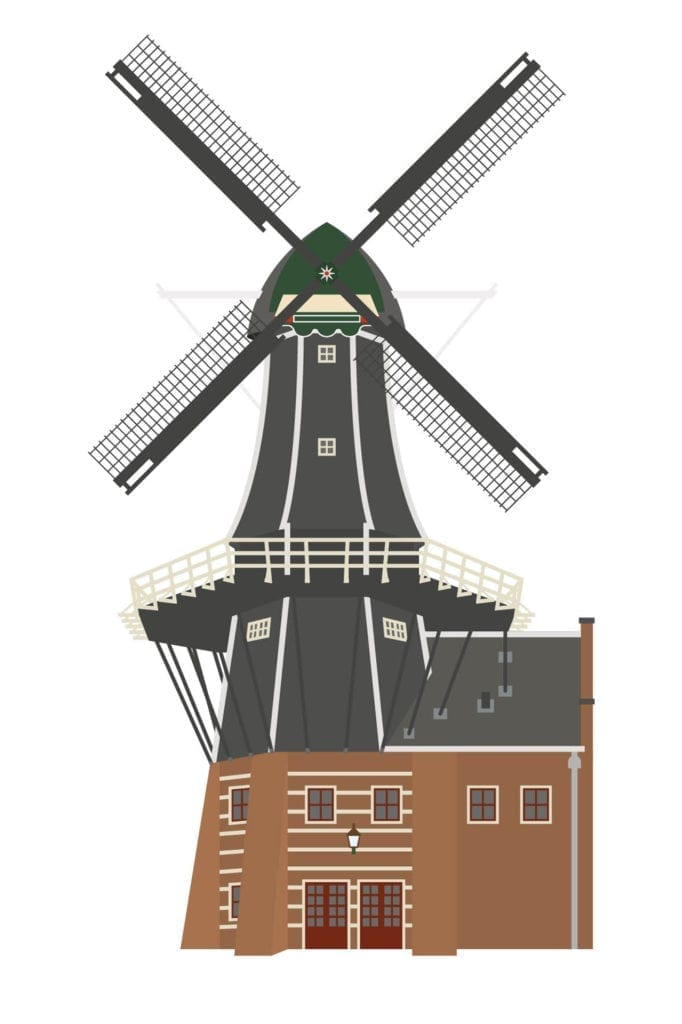
In 1778 Adriaan de Boois received permission to build a windmill. He set up his industrial mill close to the center of the city. As a result the sails rise high above the Spaarne and catch every breath of wind.
On 23 April 1932 thousands of people from Haarlem watched helplessly as the mill went up in flames. All of Haarlem wanted the mill back, but because of the crisis years that was not possible. Fortunately a number of associations kept working at it. And exactly 70 years after the fire, the new Adriaan was festively reopened!
In 1963 the municipality of Haarlem became the owner of the land on which the mill had stood and also took on an obligation to rebuild. But that promise was forgotten in the years after. Then in 1991 the Molen De Adriaan Foundation was founded and a few years later the clever chairman discovered the document about the obligation to rebuild in old archives.
Molen de Adriaan also offers really fun guided tours. And afterwards you can have a lovely meal at the restaurant Zuidam next to the Mill.
Walking route:
From the Molen de Adriaan walk towards the Catharijnenbrug. Cross the bridge and turn left onto the Koude Horn. Then turn right into the Valkestraat as far as the Bakenesserkerk on the Bakenesserstraat. Turn right and immediately left into the Vrouwestraat. At the Bakenessergracht turn right. The Haerlemse Brood- en Meelfabriek is at number 71.
Address: Bakenessergracht 71, 2011 JT Haarlem
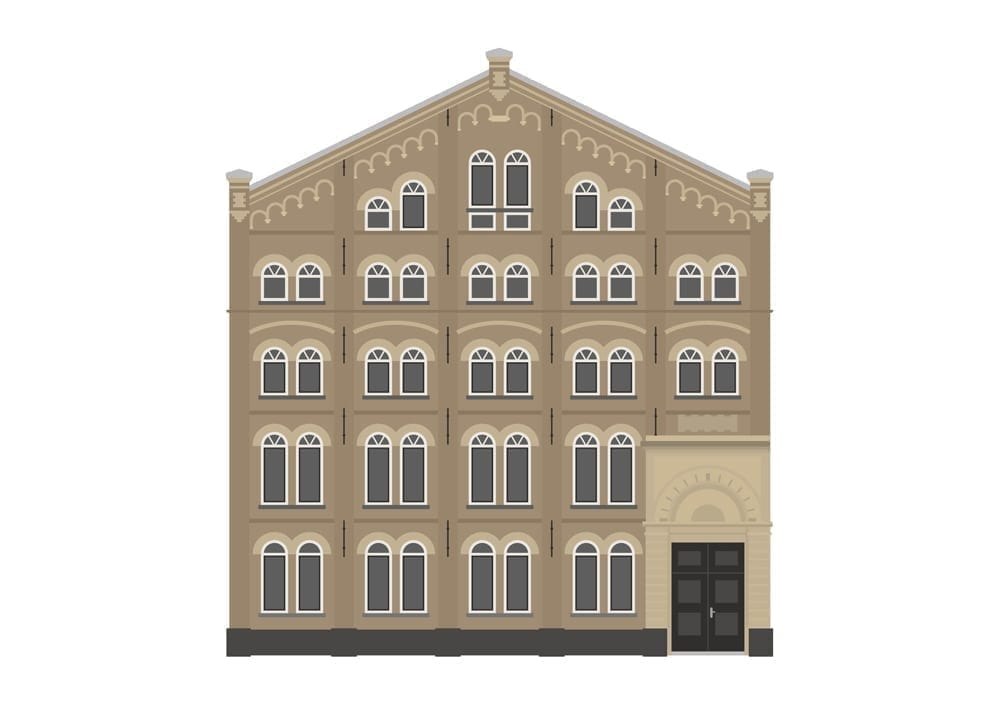
On 4 May 1866 two partners founded the Haarlemsche Brood- en Meelfabriek (Bread and Flour Factory). Ten years later a brand-new factory building was erected on the Bakenessergracht. Production soared and the Haarlemsche Brood- en Meelfabriek was soon allowed to put the title ‘Royal’ before its name.
The tall building served for years as a grain and flour warehouse, including its own mill. The bakery itself was in a low building behind the property. In 1990 the building was converted into luxury apartments and 9 years later it was declared a national monument (Rijksmonument).
The former bread and flour factory is still the only remaining factory of this type in the Netherlands.
The bread was baked in a special kind of hot-air ovens. Grain and flour were transported by a system of hoisting installations and Jacob's ladders. At first they were powered by steam engines. Later by electricity.
In 1890 the Haarlemsche Brood- en Meelfabriek produced 3 million kilos of bread a year.
Walking route:
From the Haerlemse Bread and Flour Factory, walk along the Bakenessergracht towards the north. At the end of the Bakenessergracht turn left across the Korte Jansbrug and walk to the end of the Korte Janstraat. Turn right onto the Janstraat and walk to the end of the street, to the Central Station.
Address: Stationsplein 11 L, 2011 LR Haarlem
Haarlem's station is the only Dutch station built in the Jugendstil (Art Nouveau) style. The building is decorated with tiles, stained glass, woodcarving and ornamental ironwork.
The original waiting rooms for first, second and third class are still on the platform. If you miss your train in Haarlem, you can stroll around and discover all the special aspects of the building.
The original signal box is still in the middle of the platform. From there the station master could keep a close eye on all incoming and outgoing trains.
A real Alkmaar snack board; a unique souvenir from Alkmaar. The design is hand-drawn by our illustrator. De Waag in Alkmaar...
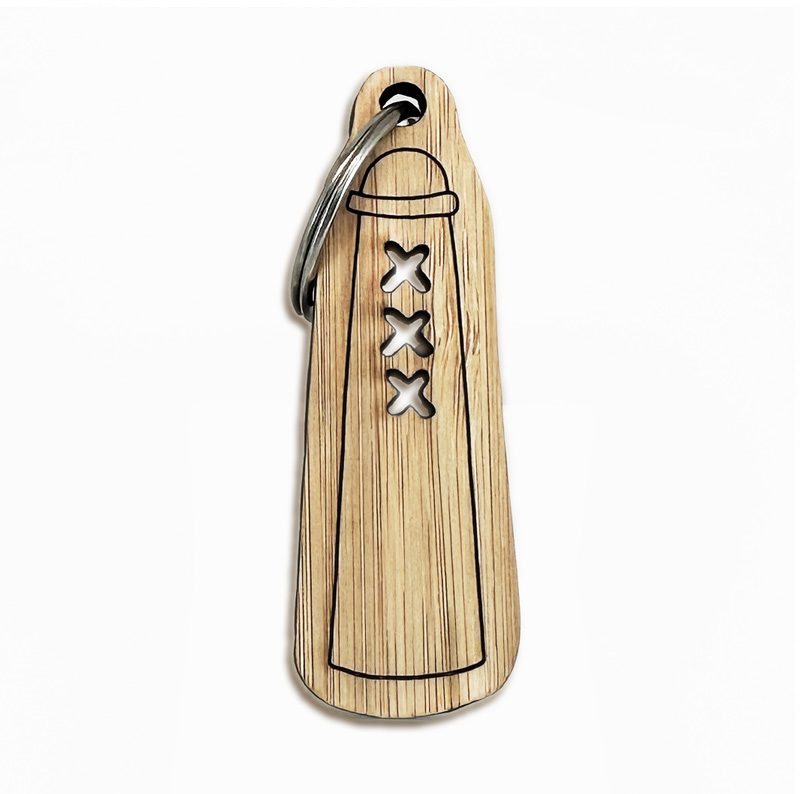
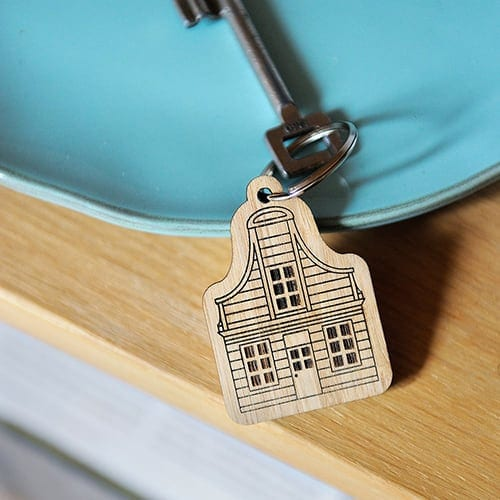
This Amsterdam bollard keychain is unique. The design is hand-drawn by our in-house illustrator, Renske Horn. The Amsterdammertje...
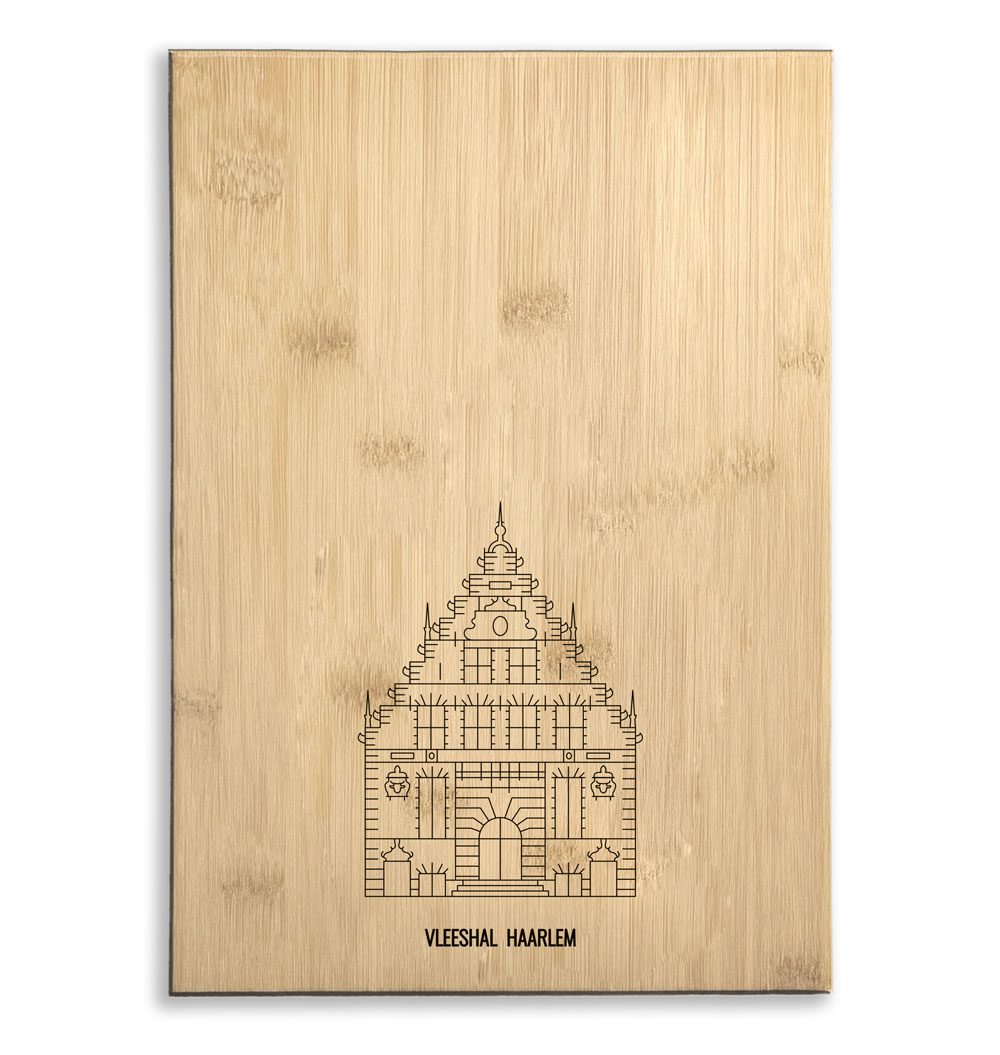
➡️ Read the description in English A real Haarlem snack board; a unique souvenir from Haarlem. The design is hand-drawn...
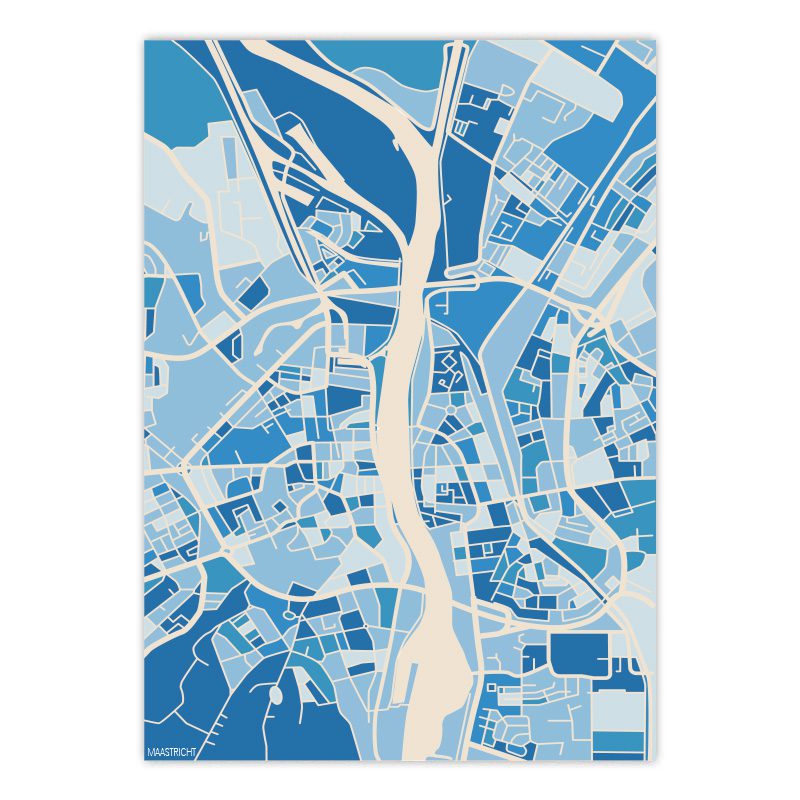
This poster is unique and executed in color theme Delft Blue. The print is of gallery quality. The sustainable paper is...
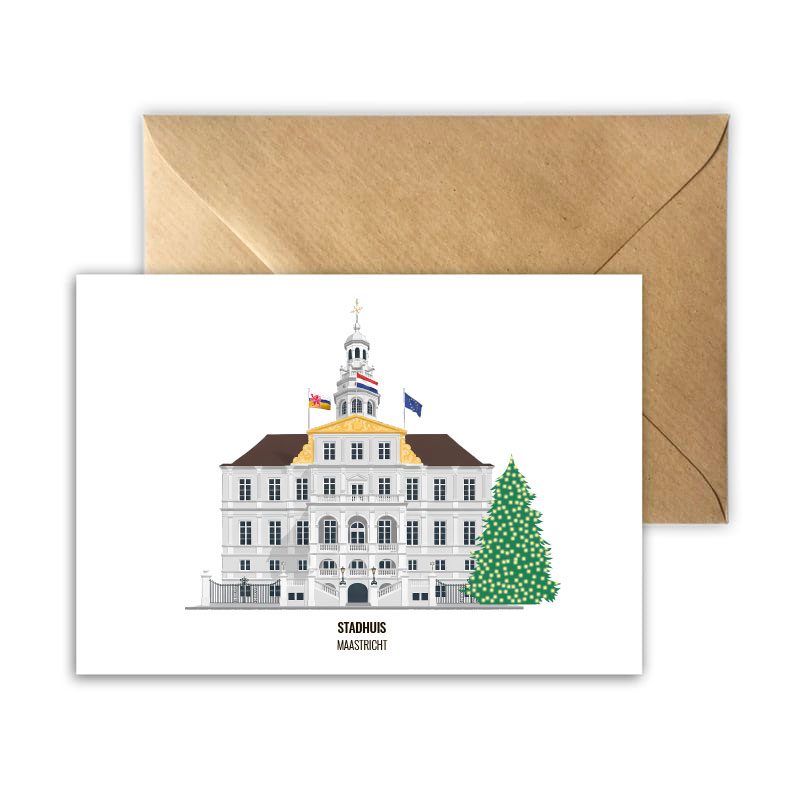
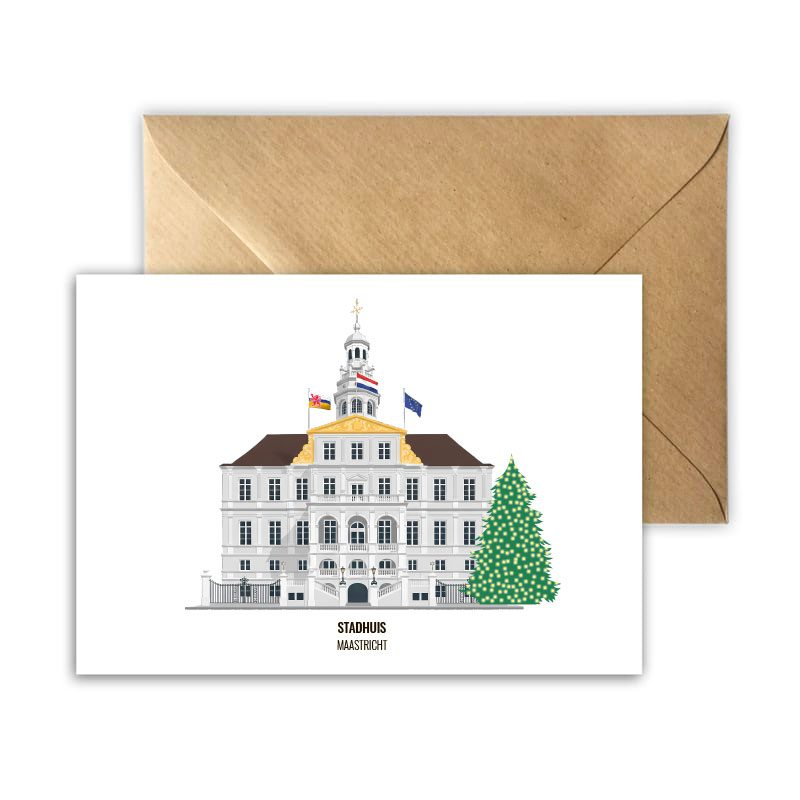
A very well-known winter scene in Maastricht. These postcards are unique. The town hall of Maastricht together with the...
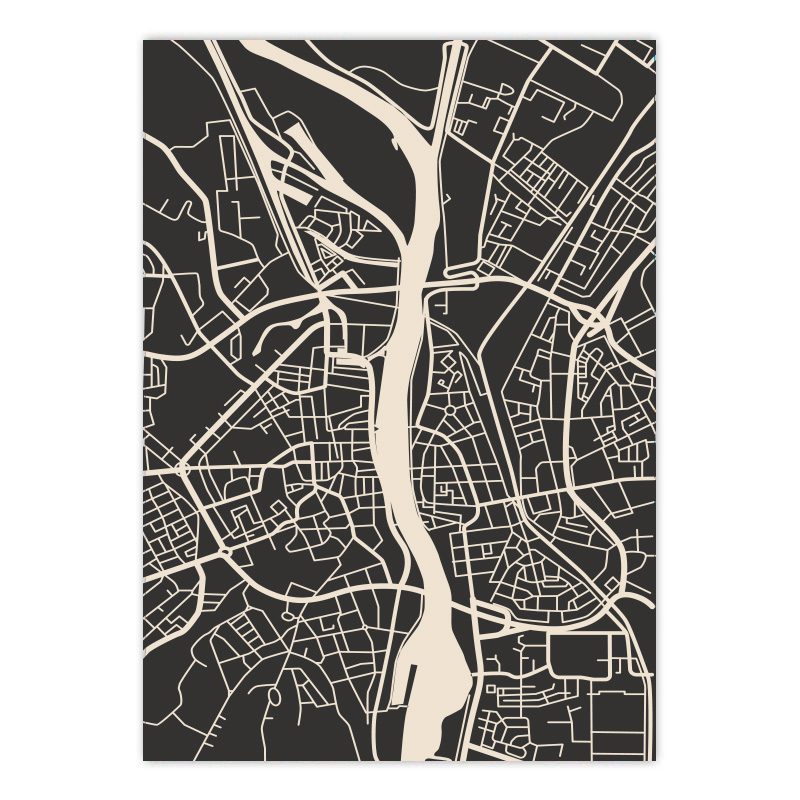
The print is of gallery quality. The sustainable paper is very sturdy, made from recycled agricultural waste and FSC certified....
Looking for a last minute gift? At De Huisjes you'll find a wide range of original presents for birthdays, housewarmings, Mother's Day, Father's Day or simply as a thoughtful gesture. We've already put together a selection of our most beautiful products: choose a luxury gift for a special occasion, or give a personalised gift the recipient will never forget.
Surprise someone with a stylish, high-quality gift. Discover our exclusive luxury gifts that give every interior and every moment that little something extra.
Discover luxury giftsMake it personal with a name, text or date. A unique, personalised gift shows you really put thought into it and stays a lovely keepsake for a long time.
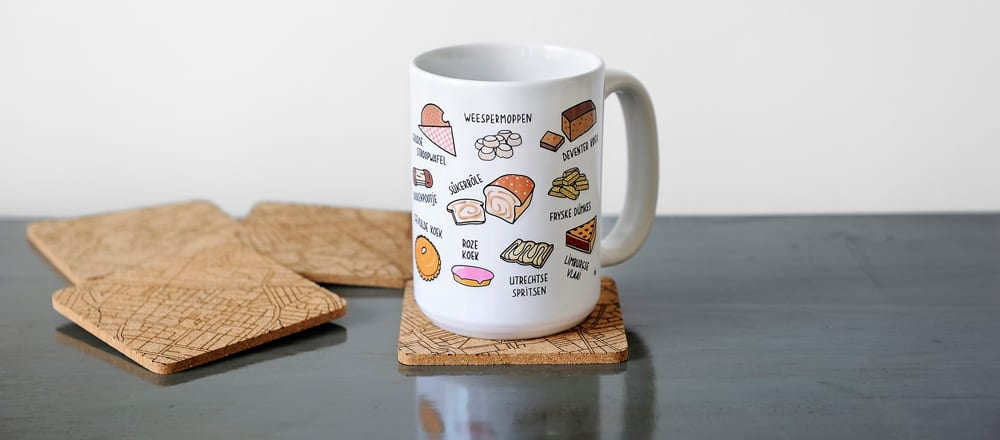
Personalise nowDiscover typical Dutch gifts and souvenirs from your favourite city. From Amsterdam to Maastricht, our hand-drawn serving boards, posters, coasters and keychains are made locally from sustainable materials. Pick your city and find the perfect gift for yourself or others.